Saturday, August 01, 2020

Stand up for rescue cats..... give affection

It's horrible in a cat pen, yet we have to be there if we need homes. Humans feed and water us, but do they do enough? Do they give us affection?
Just putting in food or water, or cleaning the litter tray, with perhaps a quick stroke, isn't reassuring. If that's all, we are more likely to get sick or withdrawn.
We need at least six minutes of gentle stroking, head to tail, tickle under the chin, and then more stroking every day, by a familiar person not just a passing stranger. Don't talk, just do this silently - which is the feline way. We don't like constant human jabber.
If rescue shelters made sure this was done, we cats would come to the front of the pen in hope of more affection. And cats that come to the front are adopted quicker.
So please, workers and volunteers in the shelter, please stroke more. Affection is as important as food.
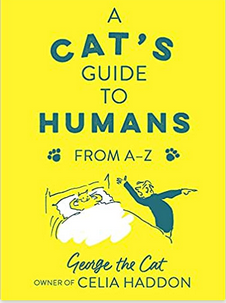


  • Want to know more? Read my book here.

Saturday, July 25, 2020

Stand up for rescue cats..... homeless cats

I am lucky enough to have a h
ome and regular meals. Many of my sisters and brothers lead wretched lives on the street - starving, flea ridden, and terrified. Please help them by
getting your human to wise up on what to do about them. Spread the word that these cats can be helped. International Cat Care has a lot online about how to help them - https://icatcare.org/unowned-cats/feral-street-community-cats/
Just feeding the cats, like the video above, isn't enough. But regular feeding is the beginning of a process. It is called Trap Neuter and Return - or TNR. Neutered cats are healthier than un-neutered ones. Females often die after endless kitten bearing and males die of diseases transmitted by fighting. Neutering means that the colony isn't full of diseased kittens, many of which will not survive into adulthood.
Feed regularly first. Then trap. Then neuter and euthanise those suffering from diseases. Rehome the stray cats that are used to human homes. Rehab, tame and find homes for young kittens. Return the adult feral cats to the site. Continue with regular feeding for a healthy colony and to keep an eye out for strays or feral cats that turn up.
That way, newcomer cats can also be trapped and neutered and the colony will eventually die out. This should please the people who want to see fewer cats. Their solution of merely shooting or poisoning strays and ferals usually merely results in newcomers taking over the empty territory.

Help for cats whose humans show behaviour problems.

This blog is devoted to the study of human behaviour. We cats, who live with this sometimes unpredictable and always feeble minded species, can benefit from seeing their behaviour in its proper scientific context. The study of feline dilemmas, training problems, and difficulties with humans, can only benefit all of us. All of us train our humans - to buy the right food, for instance, but many of us do not have knowledge of how to improve our training methods. The human species is obviously not as intelligent as the cat, but nevertheless can learn quite a lot - if properly managed. Topics of interest include the use of claw and order, purring as a human reward, rubbing your human up the right way, when to bite, spraying as a method of making our wishes known, ignoring the human, human harassment, human inattention and sheer human stupidity. I welcome your questions. Photos can be sent via my secretary's website, www.celiahaddon.com This blog has been chosen as one of the top 50 feline blogs by Online VetTechprogramms.org